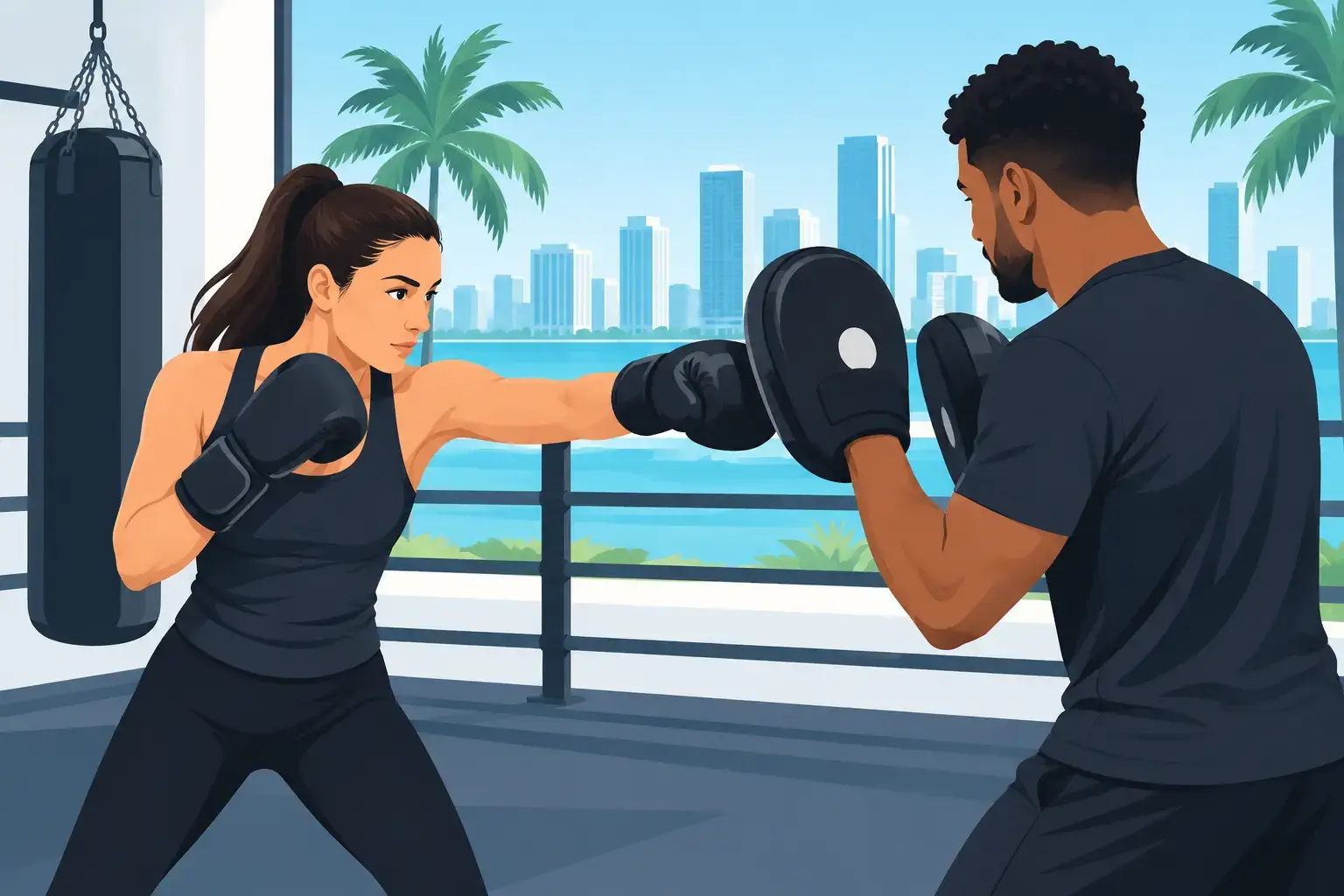
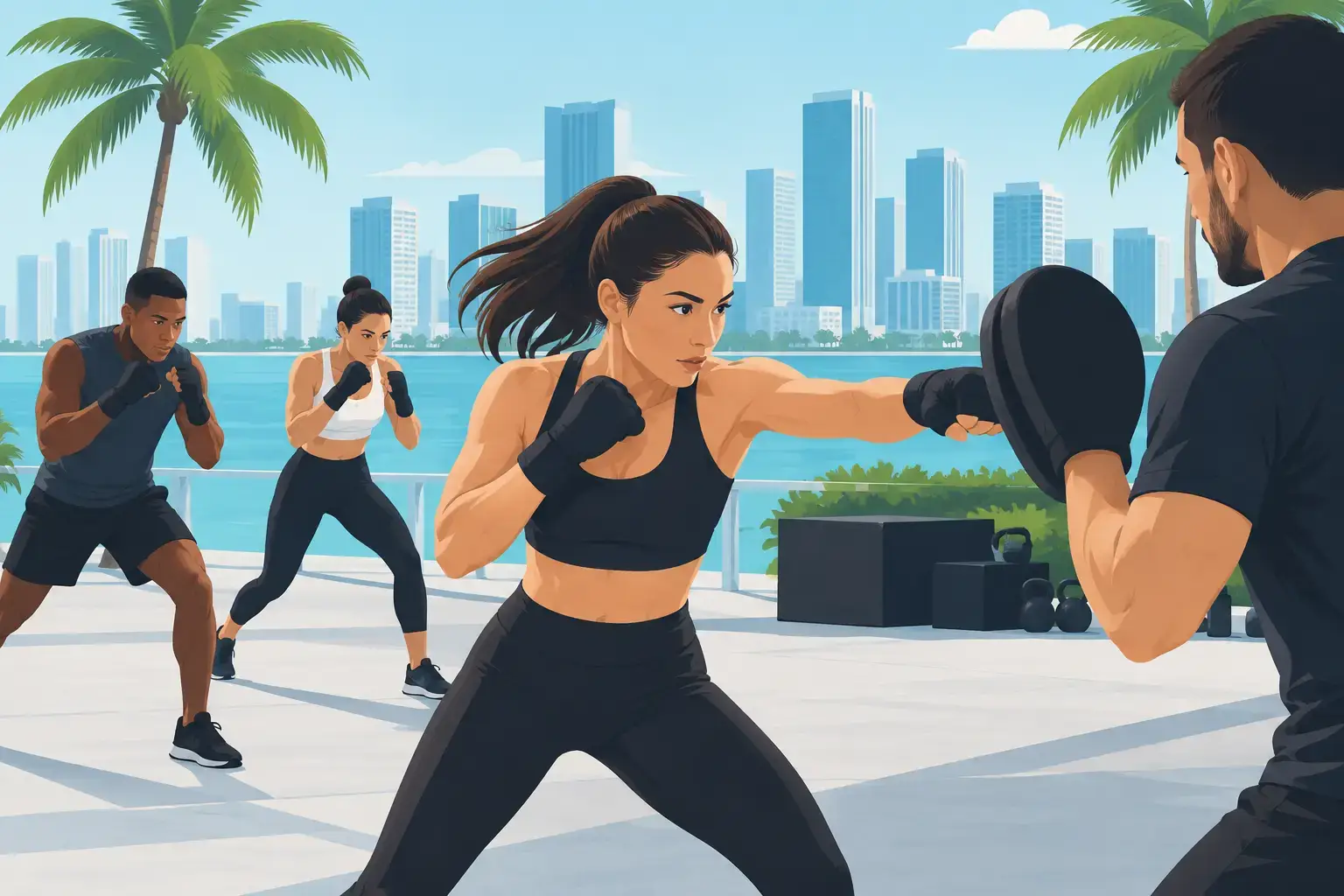
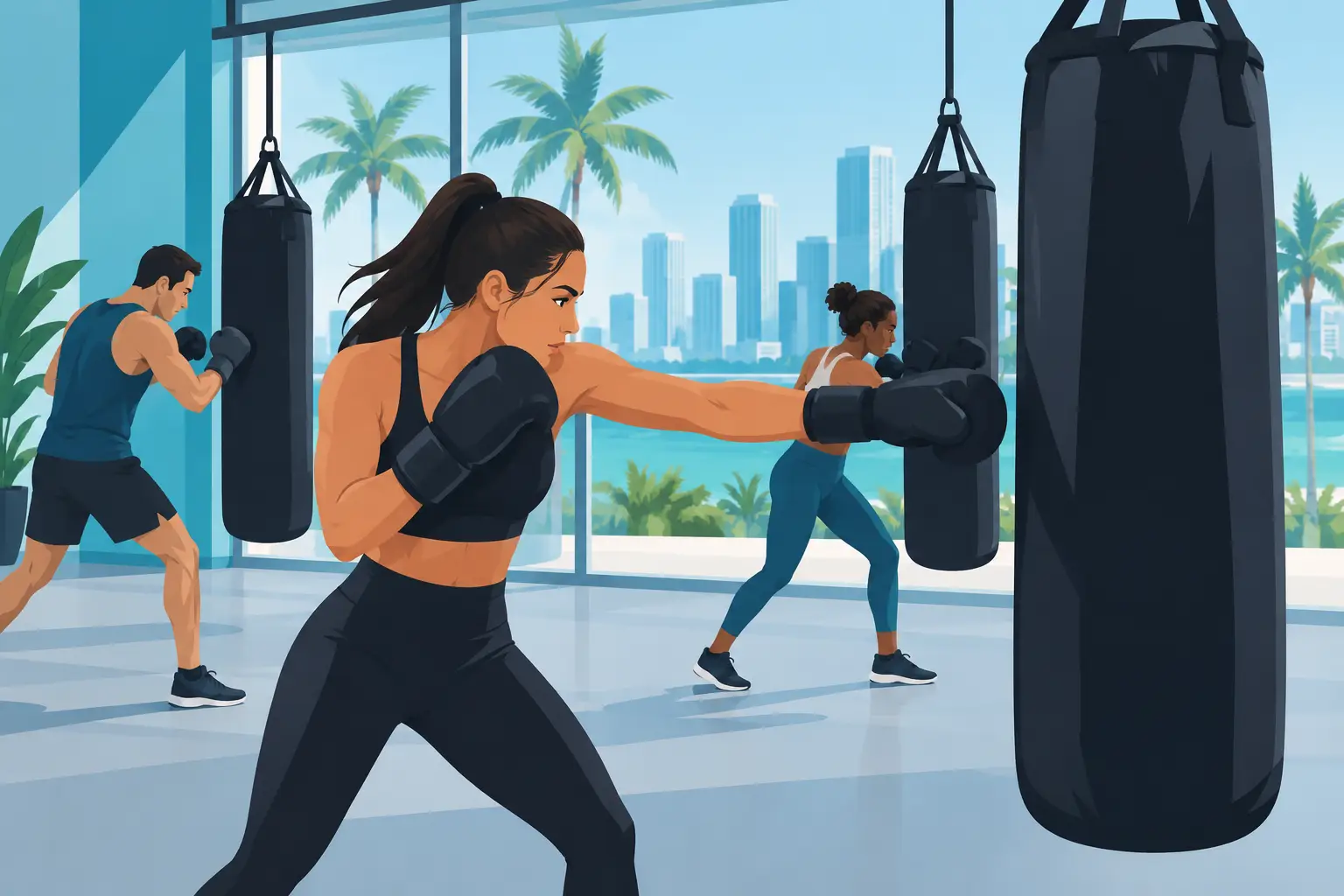
A crowded sidewalk, a tense parking garage, an aggressive stranger who will not respect your space – real self-defense situations are stressful, fast, and unpredictable. For adults looking for self defense striking classes Miami has plenty of fitness options, but practical training requires more than sweating through a heavy bag workout. You need sound technique, controlled pressure, awareness, and coaches who understand what works when adrenaline is high.
Striking is not a magic solution to every confrontation. The best self-defense outcome is always creating distance, escaping, and getting to safety. But when leaving is not immediately possible, the ability to move with balance, protect your head, manage range, and strike with purpose can make a serious difference.
What Self Defense Striking Classes in Miami Should Teach
A useful striking class does not begin by throwing students into hard sparring. It begins with position. Before power matters, you need a stable stance that lets you move forward, backward, and laterally without crossing your feet or losing your balance. You also need a guard that protects your head while leaving you able to see and react.
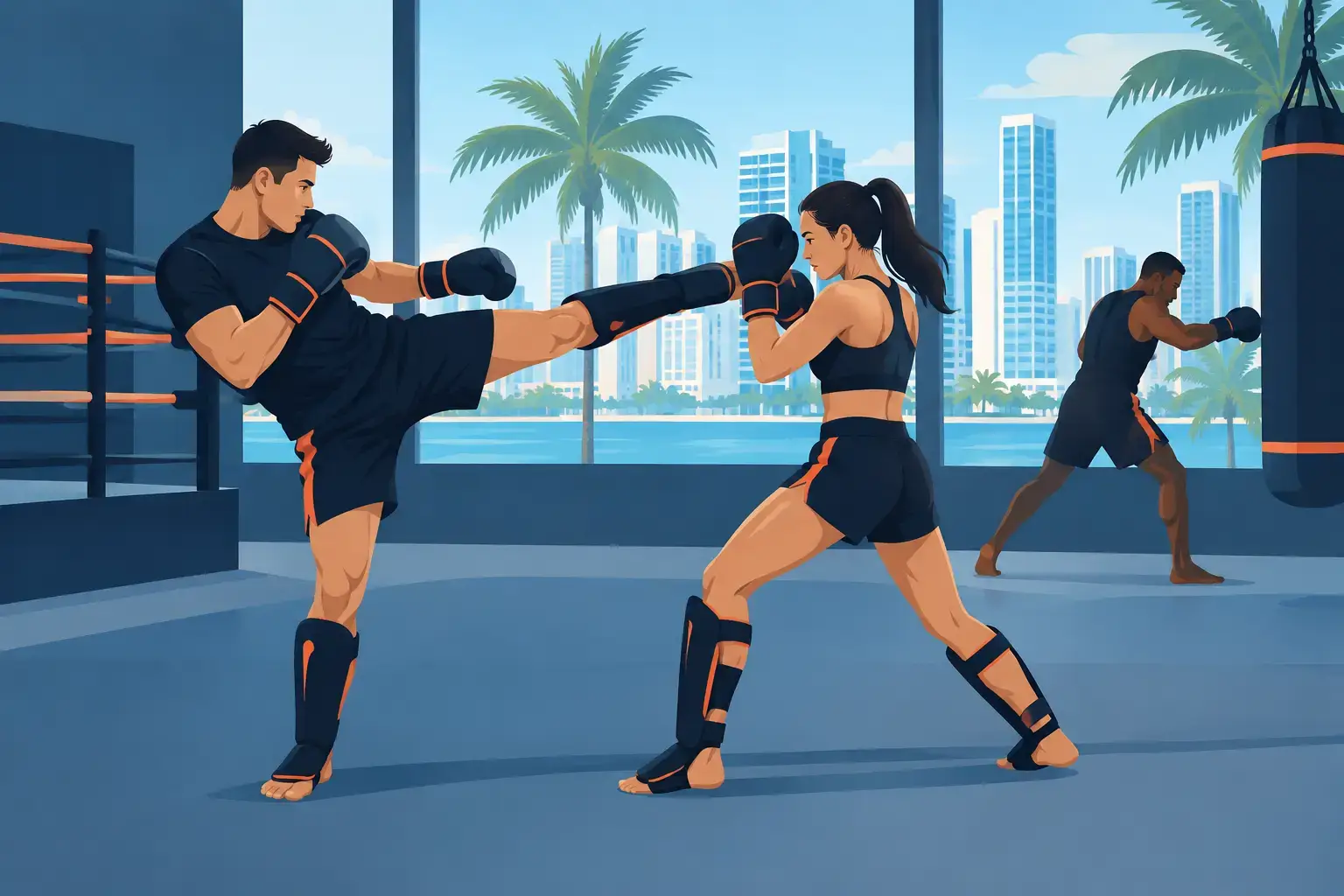
From there, good instruction builds a practical striking foundation through punches, elbows, knees, kicks, defensive movement, and clinch awareness. Boxing teaches clean hand positioning, footwork, head movement, and efficient combinations. Kickboxing adds low kicks, body kicks, and range management. Authentic Muay Thai brings knees, elbows, clinch control, and a close-range skill set that many standard cardio classes overlook.
The goal is not to memorize a long list of flashy combinations. It is to develop a few dependable tools that you can perform with balance and control. A sharp jab can create space. A strong frame can stop someone from crowding you. A knee can be effective when distance has collapsed. Each technique has a purpose, and the context matters.
Distance Changes Everything
Most people think self-defense means landing one perfect punch. Real encounters rarely cooperate with that idea. Someone may be too close for a long kick, too far for a knee, or moving in a way that makes a complicated combination unrealistic.
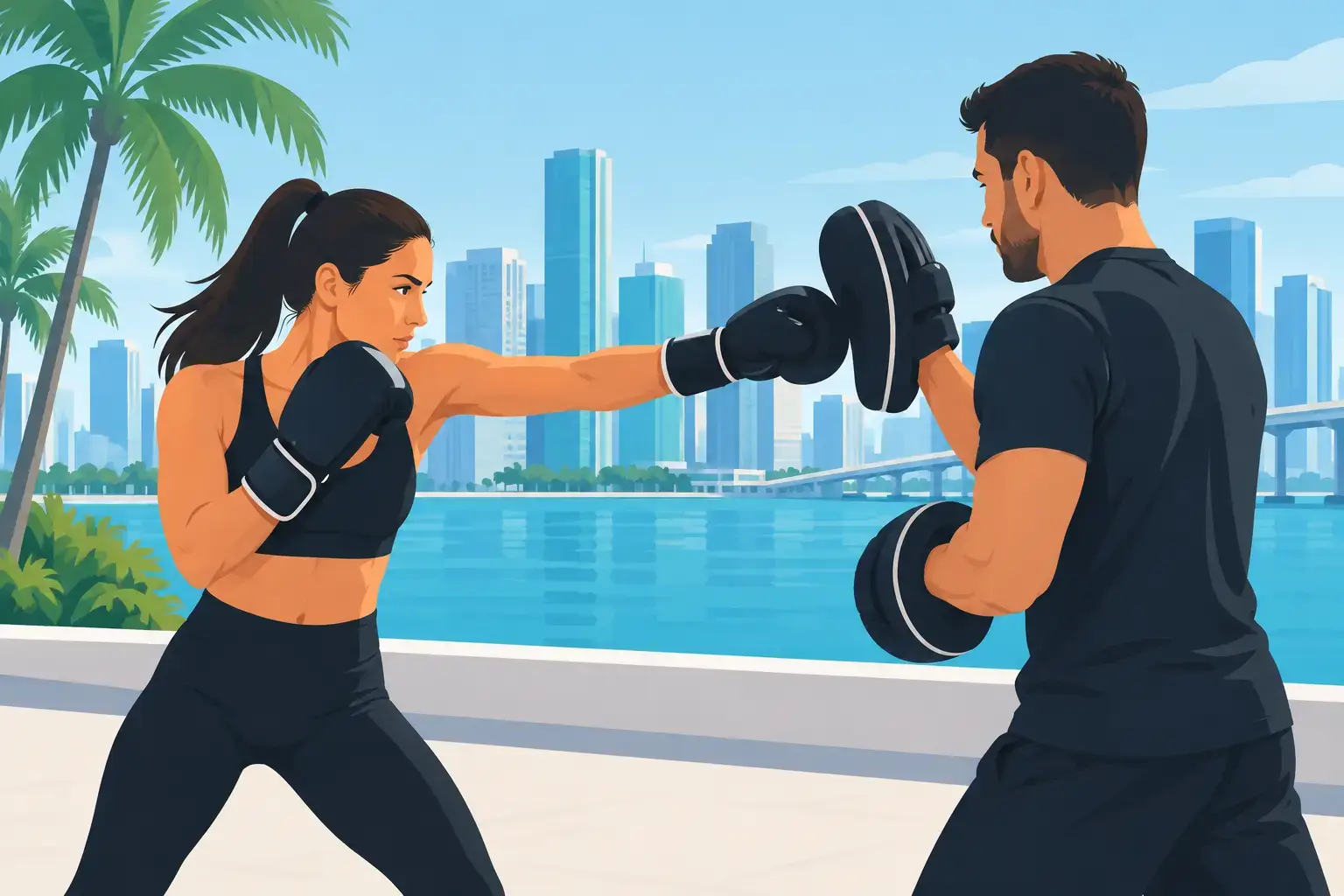
That is why range is a central part of serious striking training. Students learn to recognize when they are at punching distance, kicking distance, or clinch distance, then make decisions from a more stable position. Training this skill repeatedly on pads, bags, and controlled partner drills builds better reactions than simply hitting as hard as possible.
Defense Is More Than Blocking
A self-defense class should also teach what happens when you are not the one striking. Covering properly, stepping away from pressure, using a frame, maintaining posture, and avoiding panic are all part of protecting yourself. You cannot guarantee that you will never be hit, but you can train to reduce exposure and stay functional under stress.
For beginners, this is often where confidence starts. You do not have to be naturally aggressive to learn how to protect your space. You need clear coaching, repetition, and training partners who take safety seriously.
Why Fight-Sport Training Builds Practical Skill
There is a difference between choreography and combat sports. A choreographed self-defense sequence can look convincing when both people know exactly what is coming. Fight-sport training asks a more honest question: Can you hold your stance, see the target, defend yourself, and make decisions while another person is moving?
That does not mean every class needs hard contact. In fact, hard sparring is not the right starting point for most new students. Technical drilling, pad work, bag rounds, and supervised partner exercises allow people to build timing and composure progressively. As skills improve, controlled live work can teach valuable lessons about distance, fatigue, and decision-making.
The trade-off is clear. A class focused only on fitness may feel easier on day one, while technical training requires patience and attention to detail. The payoff is that your progress is measurable. Your punches become cleaner. Your conditioning improves. You understand why your stance matters. You become less likely to freeze when intensity rises.
At Vice City Striking, that progression is built around real boxing, kickboxing, and Muay Thai instruction rather than a one-size-fits-all workout. Beginners can learn the fundamentals in a welcoming setting while experienced athletes continue refining their timing, power, defense, and ring skills.
What Your First Class Should Feel Like
Your first session should be challenging, but it should not feel like a test you are expected to fail. Good coaches explain the basics, demonstrate techniques clearly, correct the details that matter, and give you manageable rounds of work. You may feel awkward at first. Everyone does. Learning to move in a stance, turn your hips through a punch, or throw a kick without dropping your hands takes practice.
Expect to work your whole body. Striking training builds cardiovascular endurance, coordination, core strength, mobility, and mental focus. A well-run class moves between technical instruction and active rounds, so you are learning while you work. You leave tired, but with a clearer sense of what you did and how to improve it next time.
You should not need previous martial arts experience, expensive equipment, or a fighter’s mentality to begin. Comfortable workout clothes, water, and a willingness to listen are enough for a first class. Gloves and other gear can come as you continue training and learn what fits your goals.
Choosing the Right Miami Striking Gym
Miami has no shortage of places to hit a bag. The better question is whether the gym can teach you to strike safely, intelligently, and consistently. Look for a clean training space, structured beginner instruction, coaches who give individual feedback, and a culture where experienced members help set a respectful tone.
Coach experience matters, especially when the gym claims to teach practical striking. Instructors who have competed, trained internationally, and spent years coaching understand the difference between a technique that looks good and one that holds up under pressure. They also know how to scale training for different bodies, fitness levels, and goals.
Location and schedule matter, too. If you live or work near Little Havana, Allapattah, Downtown Miami, Midtown, or Wynwood, a central gym with consistent class times makes it easier to train often enough to improve. Self-defense skill is built through repetition, not a single weekend seminar.
Pay attention to the room when you visit. Serious training does not require an intimidating atmosphere. The strongest gyms combine discipline with respect. New students should be able to ask questions, make mistakes, and build confidence without feeling dismissed. At the same time, the standard should remain high. A supportive gym should still challenge you to sharpen your technique and show up consistently.
Train for Confidence, Not Conflict
The best reason to train is not to look for a fight. It is to carry yourself with more awareness, better fitness, and the calm that comes from knowing you have practiced useful skills. Striking classes can give you a productive outlet after a demanding workday, a stronger body, and a community that expects you to improve.
For some people, self-defense is the main goal. For others, it starts as a way to get in shape and becomes a lasting practice built around Muay Thai, boxing, or kickboxing. Both are valid. What matters is choosing a program with real coaching and showing up long enough for the fundamentals to become second nature.
Book a free class, learn the stance, throw your first clean combination, and give yourself the chance to build confidence one round at a time.